




技术原理解析
润滑油相容性所涵盖的范畴远超基础油类型的简单兼容。成品润滑油由抗氧化剂、防锈防腐剂、抗泡剂、破乳剂及多种极性功能添加剂精细配平而成。当两款不同配方的油品混兑时,添加剂分子之间极易发生相互拮抗反应或物理化学失衡,诱发油相浑浊(Haze)、添加剂析出絮凝(Precipitation)、异常起泡(Foaming)或关键润滑性能偏移。
由于冷却器内部、复杂管路网络、轴承箱以及各类系统低点死角(Low Points)普遍存在不可排净的滞留残油(Residual Oil),工业润滑系统几乎不可能仅凭单次排油就彻底将配方 A 置换为配方 B。因此,在转换过渡期内不同混合比例(Mix Ratio)下的化学稳定性评估至关重要。
在推进油品置换前,标准的相容性测试通常按照不同配比进行混兑试验,重点观测其在特定受控环境下的物理相容性与化学稳定性。然而,实验室试管试验绝不能完全替代严谨的现场排油/漂洗方案规划与开机后的连续跟踪监测。
此外,除了油品与油品之间的相容性(Oil-Oil Compatibility),当更换化学属性差异较大的油品时,还必须严格评估新油对既有密封件(Seals)、内部防腐涂层(Coatings)以及各类金属材质的材料相容性。
.png)
对工业设备造成的危害与影响
- 油品置换后诱发添加剂析出沉淀(Additive Dropout)或在摩擦面生成新生胶质沉积物
- 异常起泡倾向增加、空气释放性恶化或抗乳化油水分离性能显著衰变
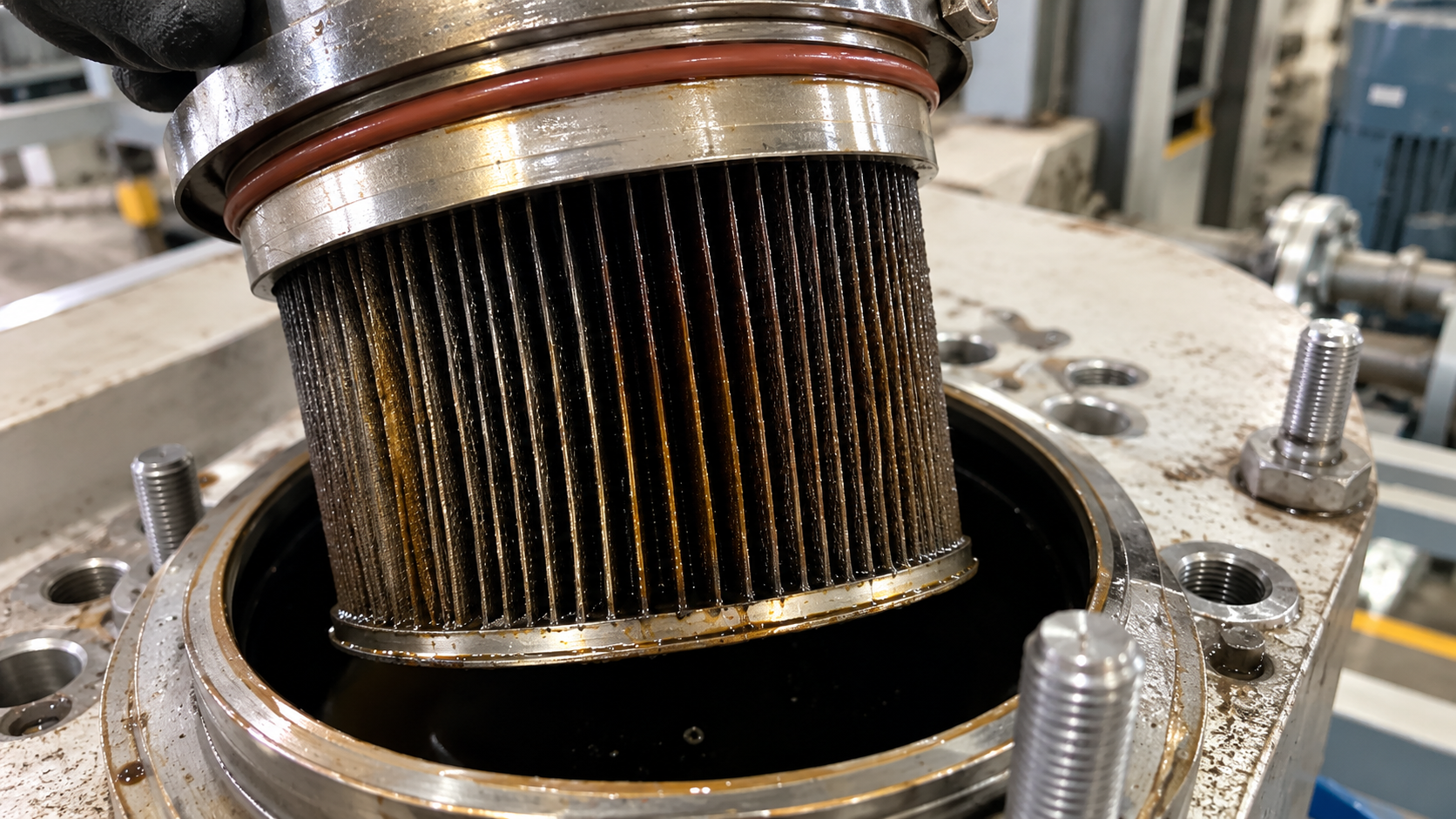
- 新油加注投运初期,过滤器滤芯出现反常压差骤升与过早堵塞
- 在用油化验报告因多种混合添加剂交叉干扰而难以准确研判基线
- 由于残存旧油比例过高,新油的高性能设计优势无法充分释放与兑现
推荐应对方案与考量因素
在启动油品置换工程前,必须精确核算系统总油容积、实际可排油量(Drainable Volume)并科学预估残油量,针对潜在风险等级开展前置相容性混兑试验。基于系统实际污染与残油工况,科学决策是采取“直接排空注油(Drain & Fill)”、“系统循环漂洗(Rinse)”还是“深度系统清洗(Cleaning)”,切忌对所有机组套用一成不变的机械化流程。
设备重启开机后,应立即采集油样建立新油在用运行基线(New Baseline),并在投运初期提高巡检与化验频次,密集跟踪外观清澈度、起泡情况、油水分离速度、滤芯压差(Filter DP)以及常规理化指标变化。
.png)
SUTAIYO & Lubefix 的专业支持
当客户计划切换升级至美孚高性能润滑油(Mobil Lubricants)时,SUTAIYO 专注于协助量身制定科学周密的油品置换方案(Conversion Plan),在正式实施前综合论证油品混兑相容性、残油控制限值与实际工况要求。
同时,Lubefix 提供一站式现场工程落地实施支持,涵盖系统彻底排油(Drain)、循环漂洗(Rinse)、高精度旁路过滤(Filtration)以及受控清洁注油(Filling),确保整个油品转换过渡期处于高度受控状态,免除客户在多个外包施工方之间协调内耗的困扰。
核心客户价值
- 规避相容风险:大幅降低换油后沉淀析出、起泡与关键润滑性能衰减的恶性风险。
- 充分释放油品潜能:确保全新注入的美孚润滑油从初始服役起即可稳定发挥其优异的设计性能。
- 简化置换流程:全方位降低换油转换与开机初期监测的复杂度与管理成本。
 02-816-2299
 063-203-2322
 @sutaiyo
 Facebook