




技术原理解析
漆膜是如何形成的?- 工业润滑油承担着减摩、散热、防磨损以及带走关键部位杂质的多重使命。在运行过程中,润滑油持续暴露于高温、氧气、水分、外界污染物以及高负荷机械应力之下,导致基础油与添加剂逐步发生热氧化降解,生成油品降解副产物(Oil Degradation Products)。
从可溶性降解物到设备表面顽固沉积物 在降解初期,- 部分副产物仍能溶解于油中,因此系统宏观上难以察觉异常。但随着降解产物浓度升高,或当油液流经温度较低的区域时,其溶解度骤降,导致胶体物析出并吸附附着于金属表面。最终固化形成牢固黏附且极难清洗的褐色胶状膜层,即通常所称的“漆膜”(Varnish)。
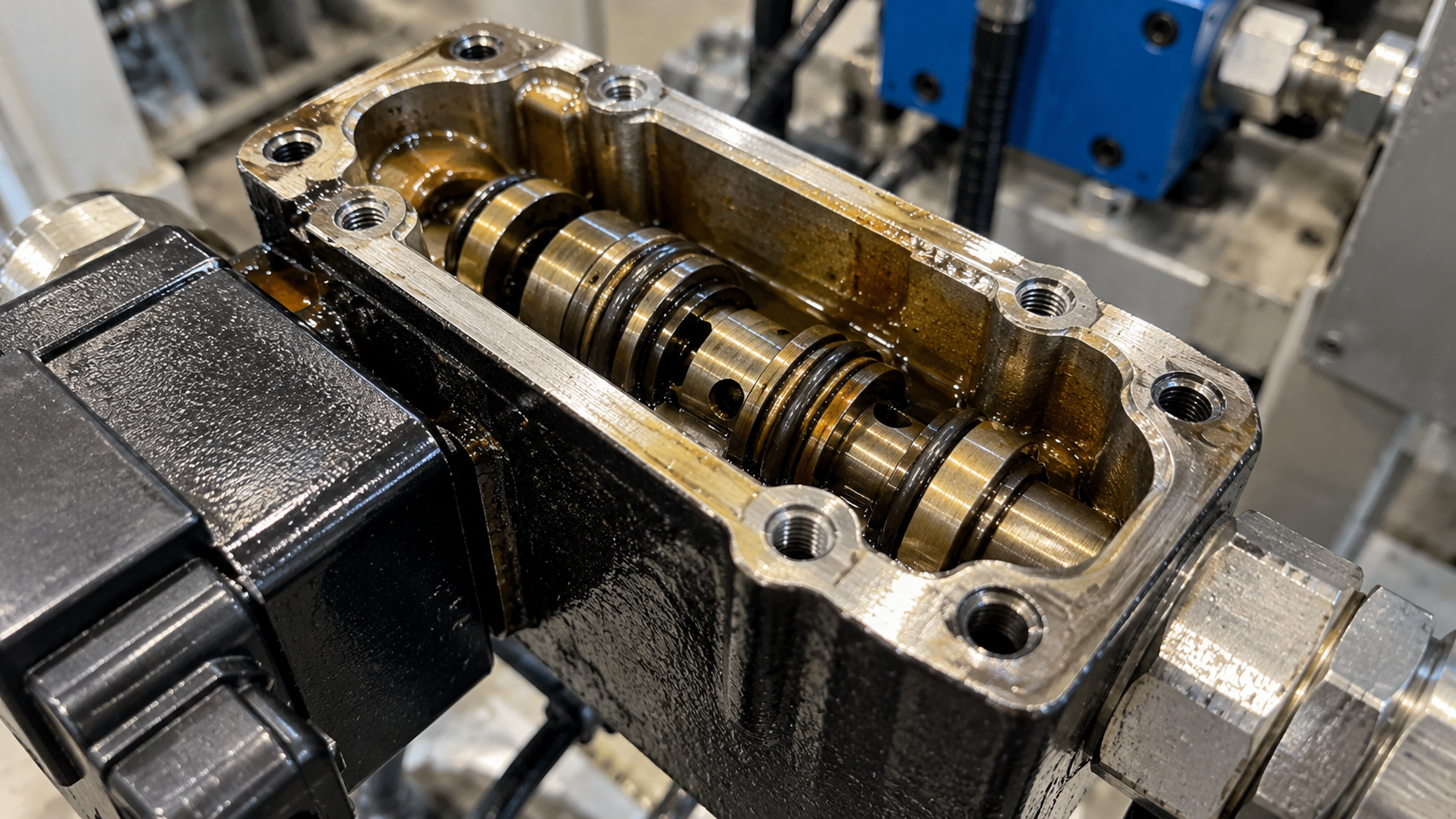
为何将其比作设备的“胆固醇”?- 漆膜在系统中的沉积机制与人体血管中胆固醇的累积如出一辙——在设备表面看似运转正常的表象下悄然潜伏、缓慢滋生,直至积聚到一定厚度,阻碍油路流动并卡滞高精度运动副,最终引发伺服阀卡阀或精密油路阻塞等严重故障。
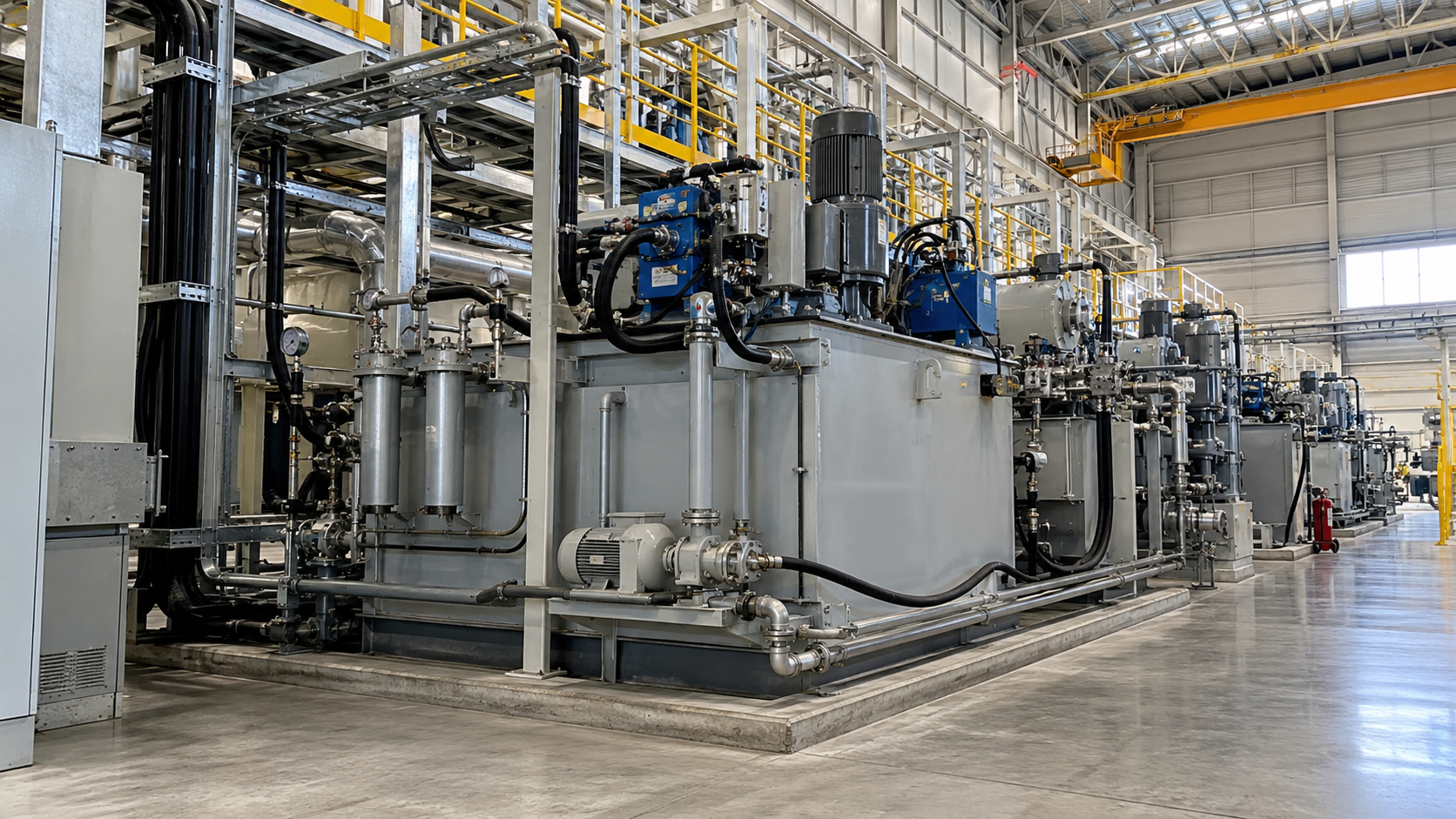
对工业设备造成的危害
- 伺服阀发生粘滞(Stiction)或响应滞后(Hysteresis)
- 油路通道狭窄变小,系统油流量下降
- 滤芯前后压差(DP)升高,滤芯更换周期显著缩短
- 系统热交换效率与散热性能下降
- 轴承温度上升,机械磨损风险加剧
- 增加系统超温报警及非计划停机(Unplanned Shutdown)风险
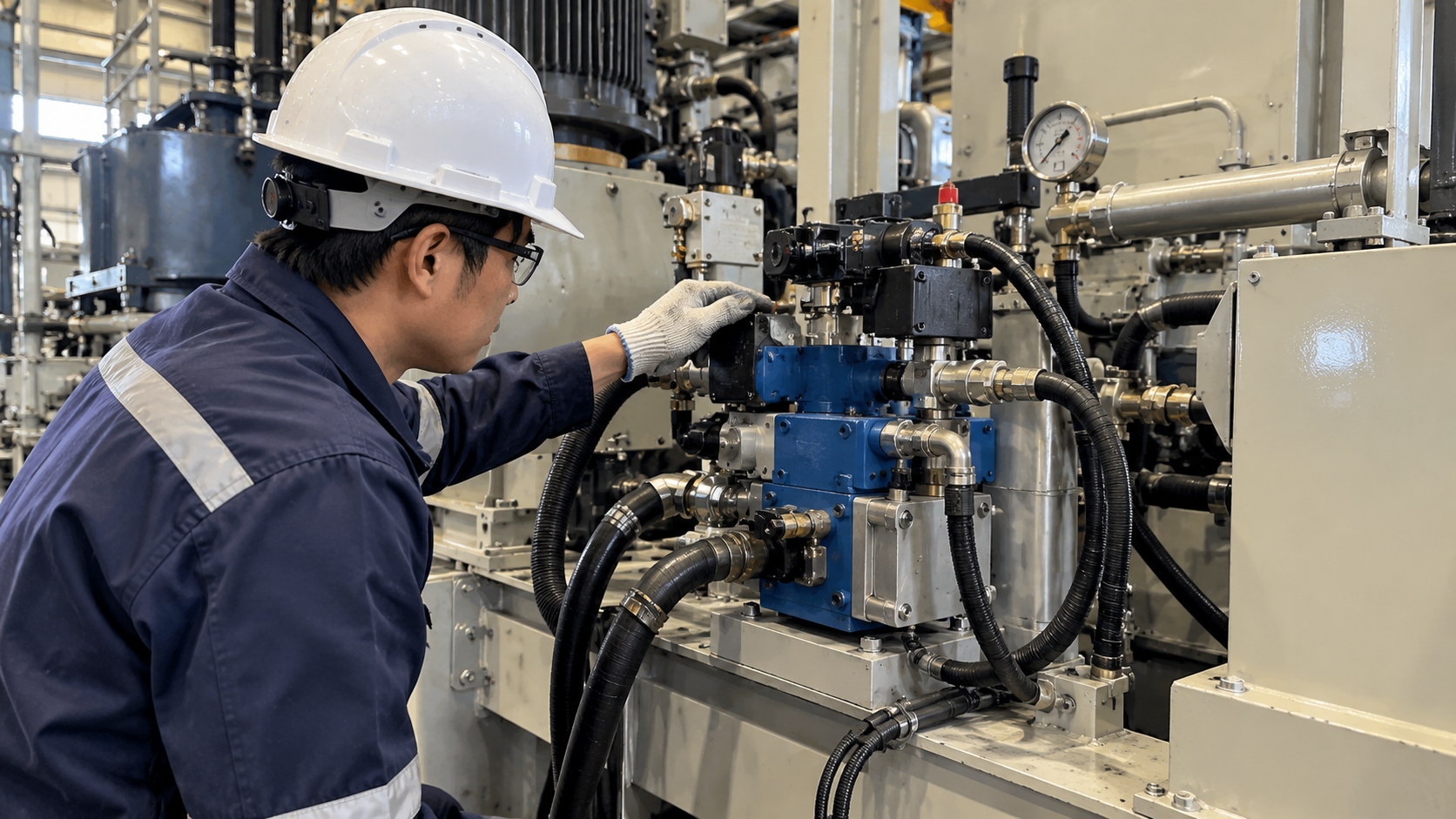
推荐应对方案与考量因素
- 综合评估油品状态(Oil Condition)、设备状态(Machine Condition)与实际运行工况(Operating Condition)。
- 将针对漆膜倾向的油品专项检测指标(如 MPC 膜片比色法等),与轴承运行温度、滤芯压差(Filter DP)及阀门动态响应参数交叉对比分析。
- 追溯换油历史、补油记录、历史停机工况以及滤芯更换频次,以研判系统劣化的长期发展趋势。
- 切忌仅凭润滑油的外观颜色或常规常规理化检测指标(Routine Test)做出单一诊断。
SUTAIYO & Lubefix 的专业支持
SUTAIYO 专注于结合油样化验报告与实际运行数据,为客户提供精准的潜在失效风险评估;并在需要系统换油或油品升级时,推荐适配工况的高性能美孚润滑油(Mobil Lubricants)。同时,Lubefix 提供一站式现场工程支持,针对具体工况与系统污染程度,灵活实施精密过滤(Oil Filtration)、油品深度净化(Oil Purification)以及漆膜定向清除(Varnish Removal)服务。
核心客户价值
- 早发现、早干预:在核心关键部件受损前精准识别潜在隐患。
- 治标兼治本:减少故障重复发生,显著降低非计划停机概率。
- 提升设备可用率:全方位增强润滑系统可靠性与机械资产寿命。
 02-816-2299
 063-203-2322
 @sutaiyo
 Facebook