




Technical Explanation
How does varnish form? - Lubricating oil reduces friction, removes heat, protects against wear, and carries contaminants away from critical areas. In service, the oil is exposed to heat, oxygen, water, contaminants, and operating stress. These factors gradually degrade the base oil and additives, producing oil degradation products.
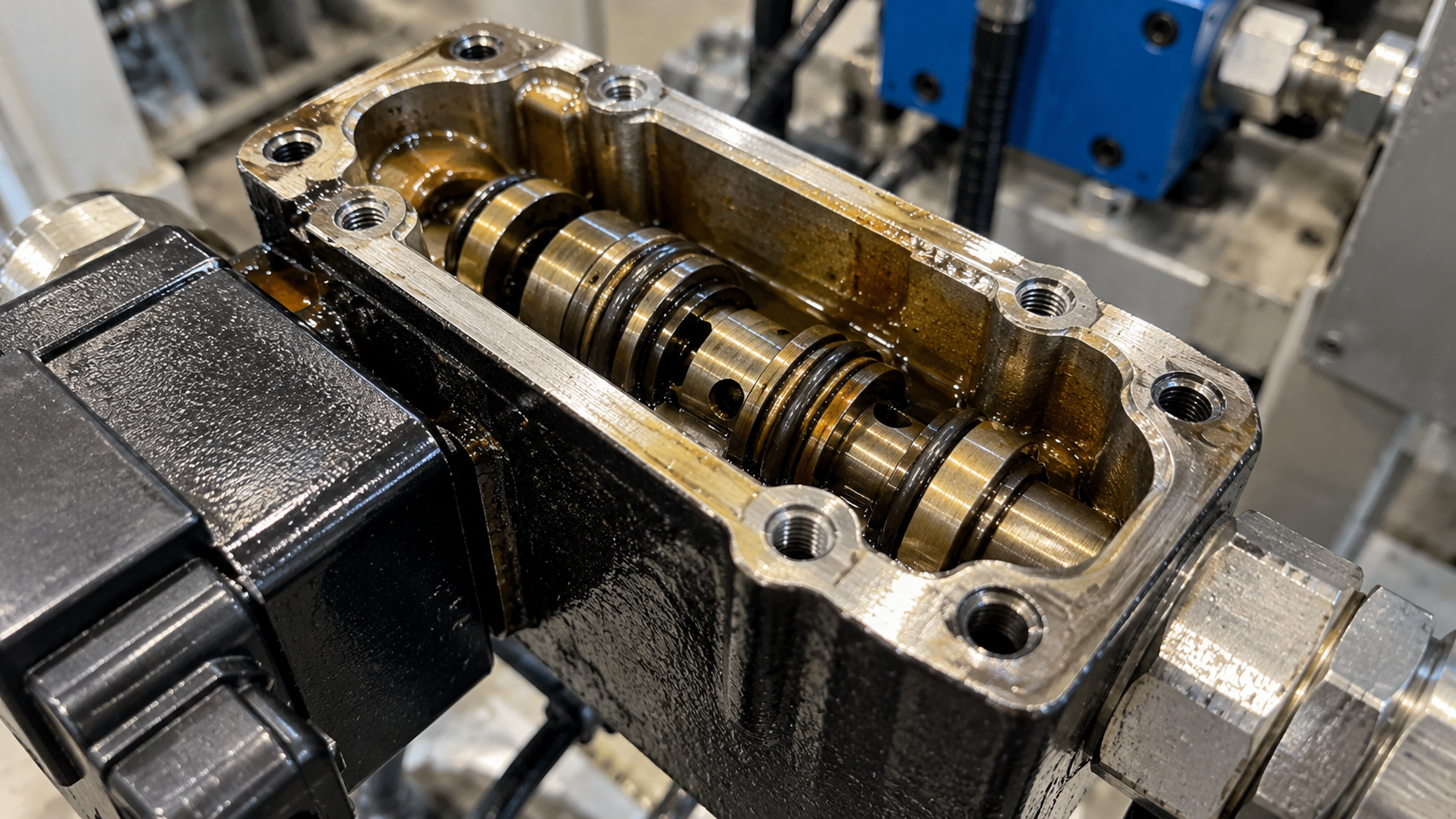
From dissolved material to deposits on machine surfaces - At first, some degradation products can remain dissolved in the oil, so no obvious abnormality is visible. As their concentration increases, or as the oil flows into cooler areas, solubility decreases. The products then precipitate from the oil and begin to adhere to surfaces. These tenacious deposits, which are difficult to remove, are called varnish.
Why compare it with cholesterol? - Varnish resembles cholesterol buildup in blood vessels. It can accumulate slowly while the system appears to operate normally. Once enough deposit has formed, it begins to restrict flow or interfere with the movement of critical components such as servo valves and oil passages.
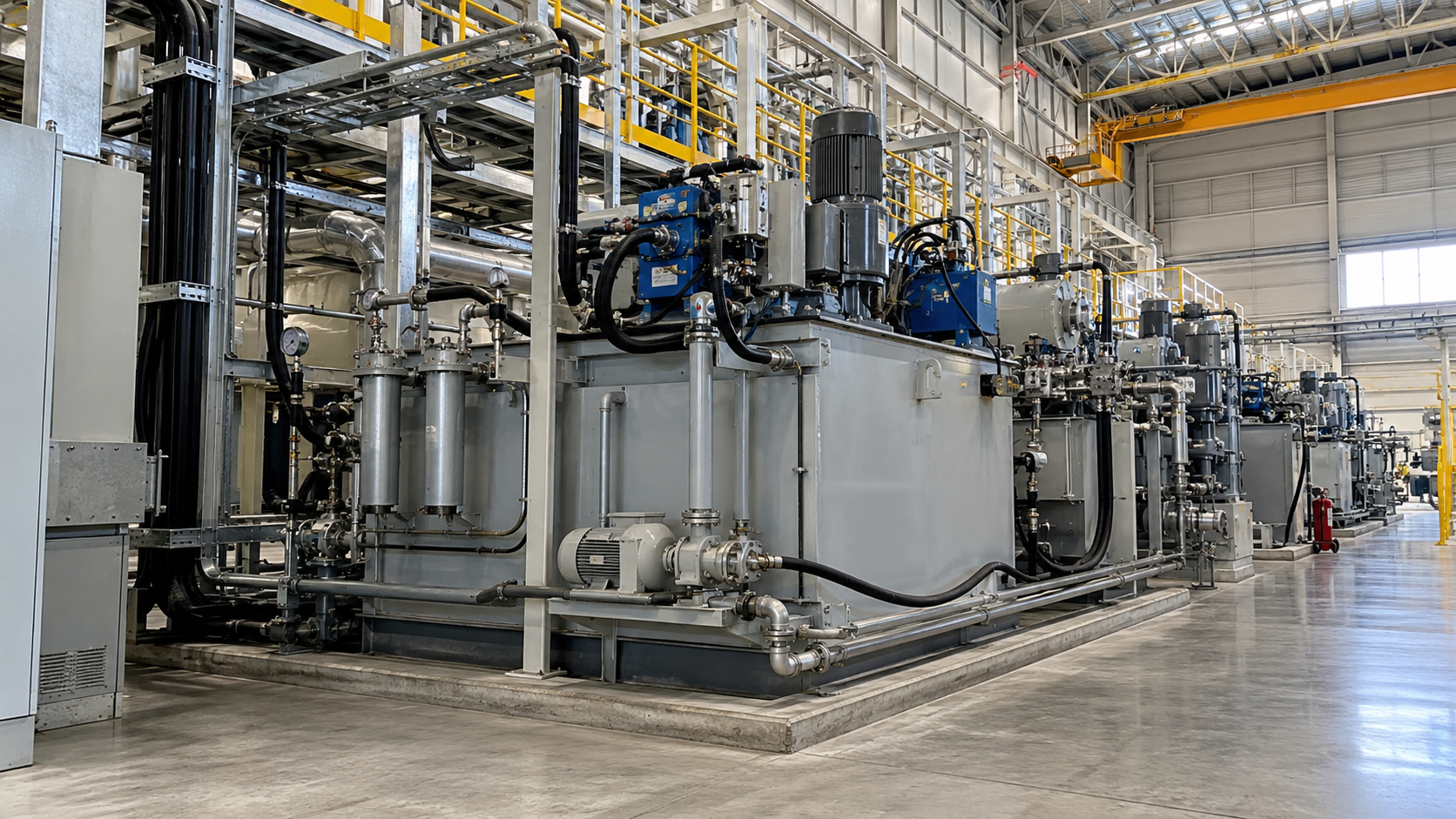
Impact on Machinery
- Servo valve stiction or hysteresis
- Reduced oil flow as oil passages become restricted
- Higher filter differential pressure and shorter filter life
- Reduced heat-transfer efficiency
- Increasing bearing temperature and wear
- Greater risk of alarms or unplanned shutdowns
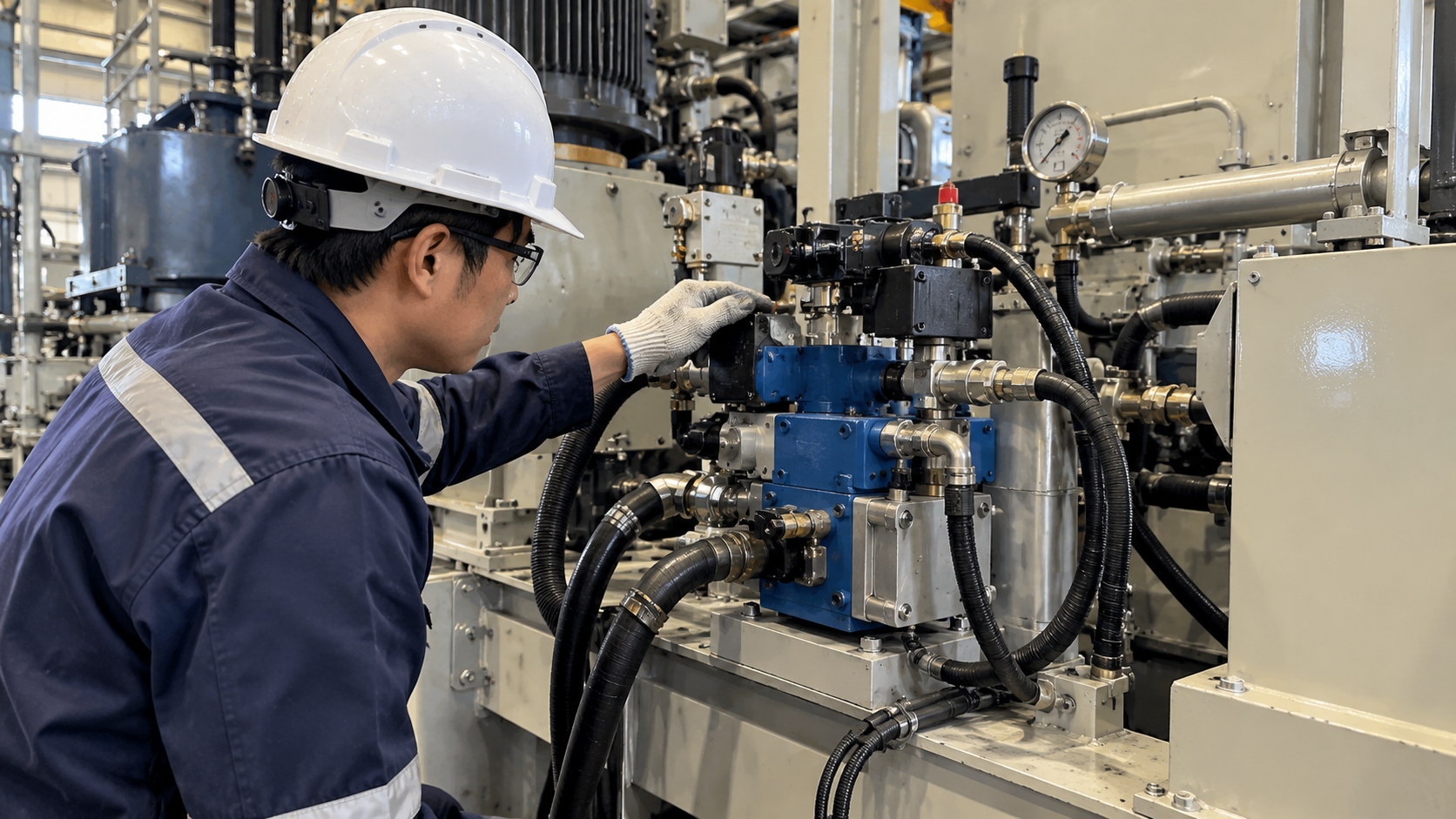
Points to Consider
- Assess oil condition, machine condition, and operating conditions together
- Correlate varnish-related oil analysis with bearing temperature, filter differential pressure, and valve response
- Review oil-change, top-up, shutdown, and filter-replacement history to identify trends
- Avoid making decisions based only on oil color or a single routine test result
|
How Can SUTAIYO and Lubefix Help?SUTAIYO can assess risk using oil analysis results and operating data, and evaluate the suitability of Mobil Lubricants when oil improvement or replacement is required. Lubefix can provide field services such as oil filtration, oil purification, and varnish removal, selected according to the actual problem and system condition. |
|
Customer Benefits• Earlier detection of risk before critical equipment is affected• Fewer recurring problems and a lower risk of unplanned shutdown• Improved reliability of the oil system and machinery |
 02-816-2299
 063-203-2322
 @sutaiyo
 Facebook