




Technical Explanation
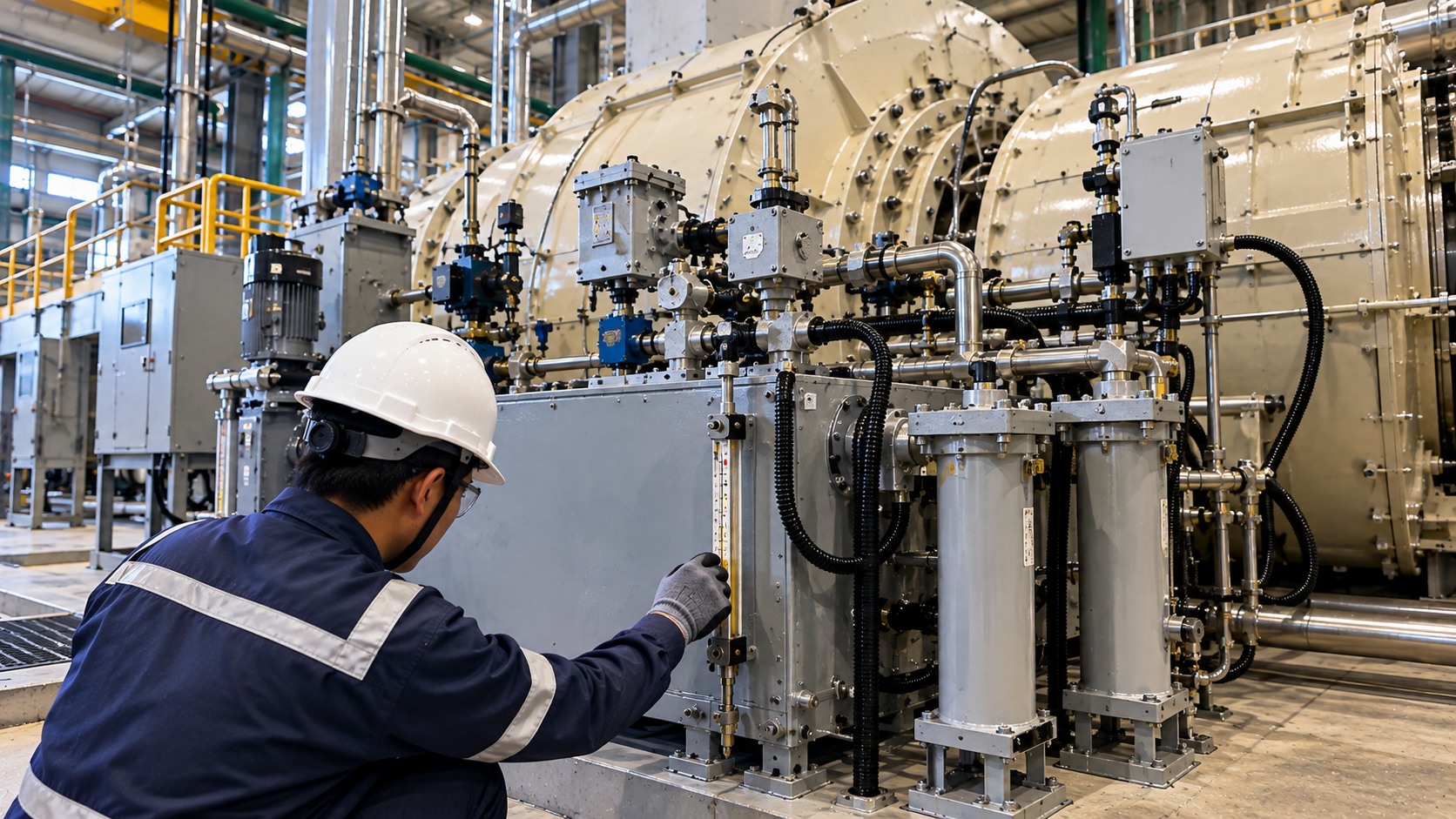
Smaller reservoirs make the oil work harder - Modern turbines are designed to be more compact and deliver higher output, which can reduce the volume of oil in the system. Each liter of oil carries more load, circulates more rapidly, and has less time to release heat in the reservoir. The result is higher thermal and oxidative stress.
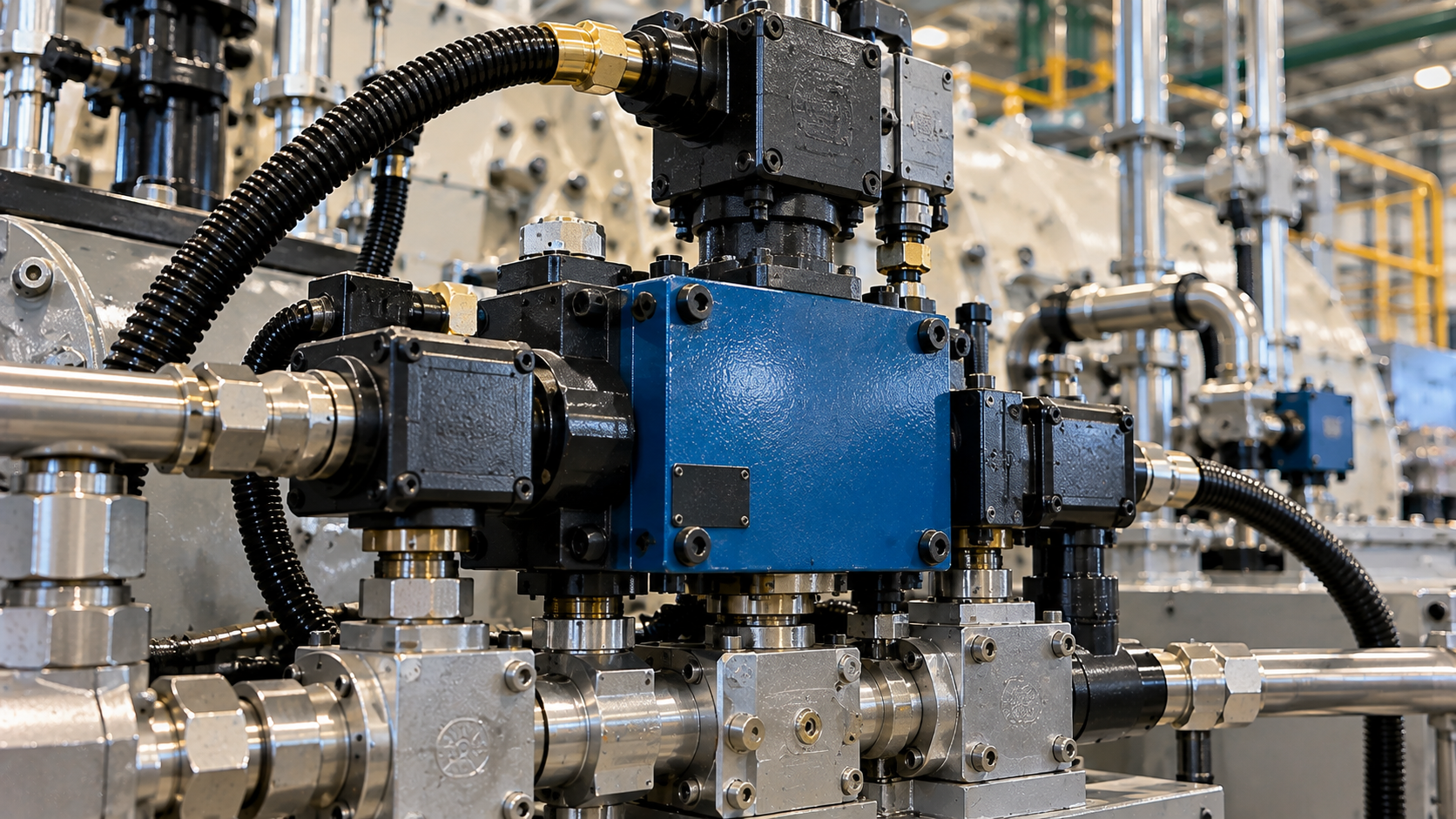
Servo valves have tighter clearances - Modern control systems require high precision, so internal servo valve clearances are extremely small. Even minor deposits or soft contaminants can increase friction and cause stiction, hysteresis, or abnormal response.
More cycling and start-stop operation - Many turbines must accommodate changing loads and frequent starts and stops. The oil therefore undergoes repeated heating and cooling cycles, increasing the likelihood that degradation products will come out of solution as the system cools.
Longer oil life requires closer monitoring - Improved lubricant technology extends service life, but viscosity or TAN remaining within limits does not necessarily mean that antioxidant health and varnish potential are still acceptable. Trend monitoring therefore becomes more important.

Impact on Machinery
- Antioxidant depletion may accelerate in systems with high oil stress
- Servo valves become more sensitive to deposits
- Filter life decreases in the presence of soft contaminants
- Bearings and control systems face a greater risk from deposits
- Oil life may be shorter than expected under severe operating conditions
Points to Consider
- Evaluate oil volume, residence time, operating temperature, and duty cycle
- Check cooler performance, water, air ingress, and contamination
- Set oil-analysis frequency according to equipment criticality and operating stress
- Select the lubricant based on performance and OEM requirements, not ISO VG alone
|
How Can SUTAIYO and Lubefix Help?SUTAIYO can assess oil stress under actual operating conditions, establish an oil-condition monitoring approach, and evaluate Mobil turbine lubricants against OEM requirements and duty cycle. Lubefix can maintain oil condition in the field through filtration, purification, and contamination control to preserve cleanliness and reduce factors that accelerate degradation. |
|
Customer Benefits• Longer retention of oil quality• Lower oil stress and deposit risk• Improved reliability for machinery operating under severe conditions |
 02-816-2299
 063-203-2322
 @sutaiyo
 Facebook