




Technical Explanation
Cold varnish - Cold varnish forms when degradation products that were dissolved in the oil come out of solution because the oil has reached saturation or its temperature has fallen. The principle is similar to dissolving sugar in warm water: as temperature decreases, solubility also decreases. Cold varnish is therefore commonly found in reservoirs, servo valves, low-flow areas, last-chance filters, and locations where the oil cools after shutdown.
Hot varnish - Hot varnish results from localized oil degradation in areas of high temperature, high load, or high shear stress, such as journal bearings, thrust bearings, or internal hot spots. The challenge is that the bulk oil in the reservoir may not yet show obvious degradation even though deposits have already formed on machine surfaces.
Why distinguish them before treatment? - For cold varnish, reducing degradation products circulating in the oil can be highly effective. For hot varnish, however, installing a varnish removal unit alone may not address the root cause. Bearing condition, oil film, temperature, load, and lubricant performance must be evaluated together.
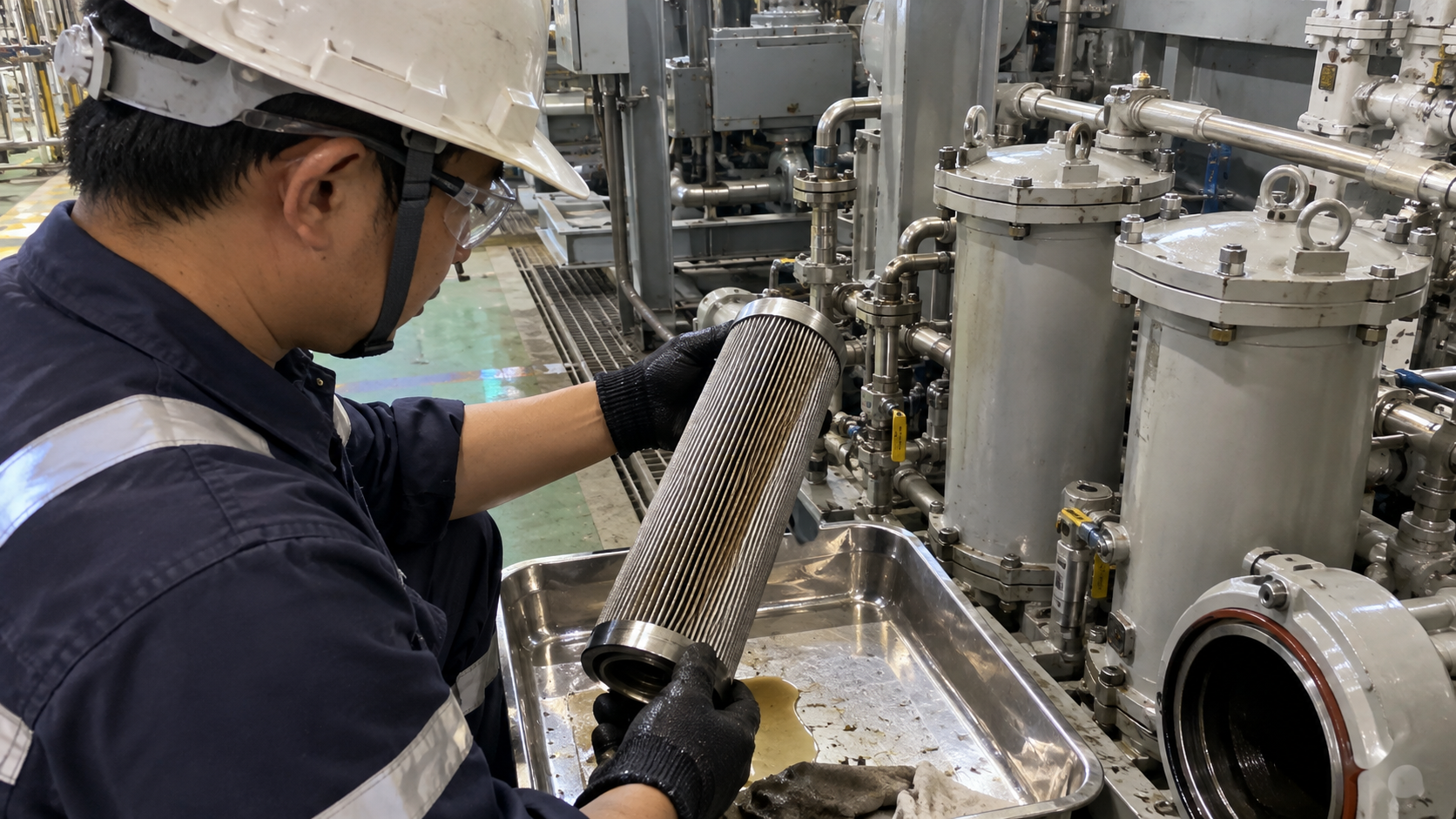
Impact on Machinery
- Cold varnish is commonly associated with valve sticking, filter plugging, and flow restriction
- Hot varnish may be associated with bearing temperature, wear, vibration, and rotor position
- Selecting the wrong treatment may improve certain test values while the machine problem remains
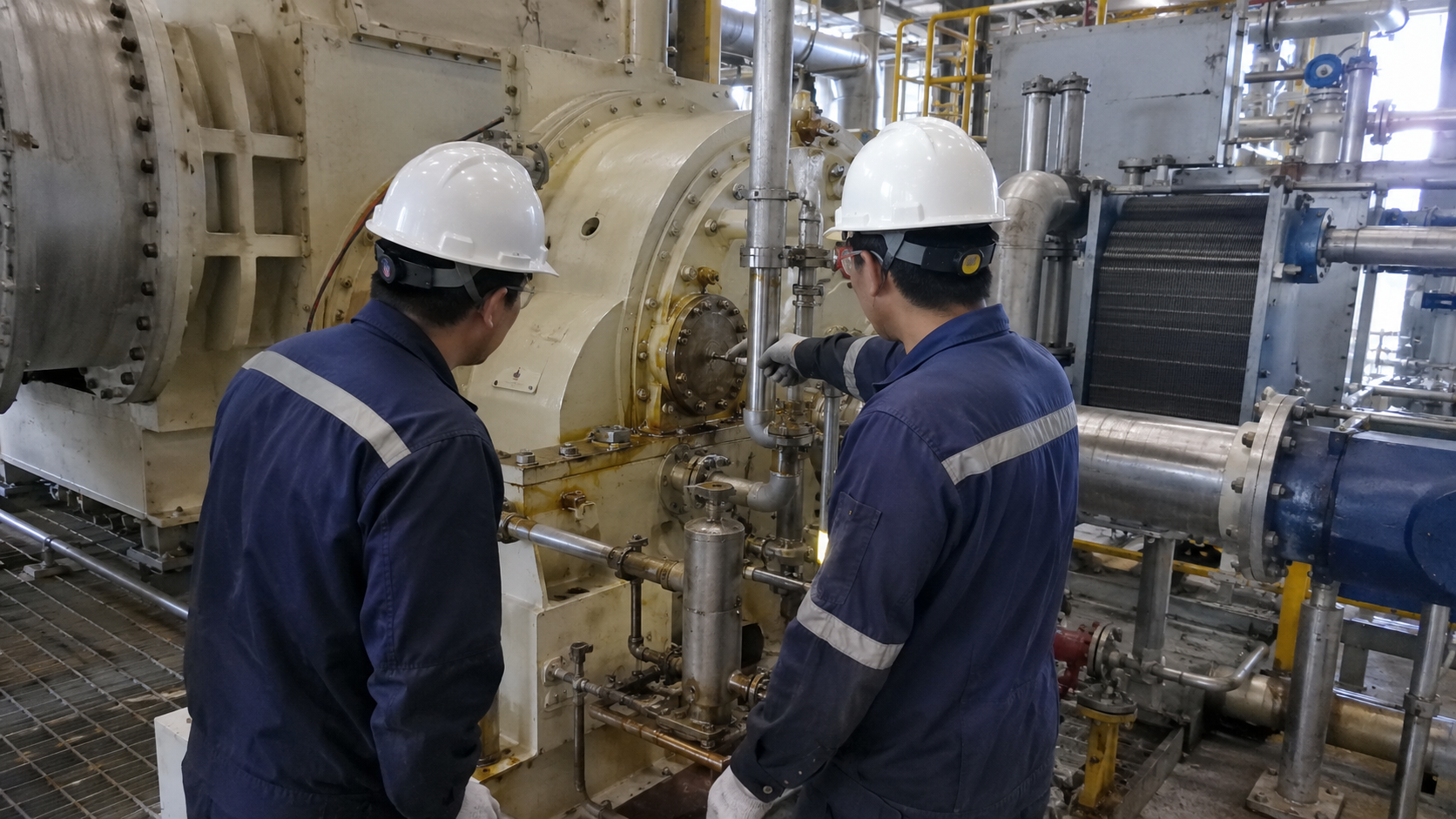
Points to Consider
- Identify the location of deposits and when the problem occurs
- Compare oil analysis with bearing temperature, vibration, and rotor position
- Evaluate relationships with shutdowns, cooling, and operating load
- Select the technology only after determining whether the issue is cold or hot varnish
|
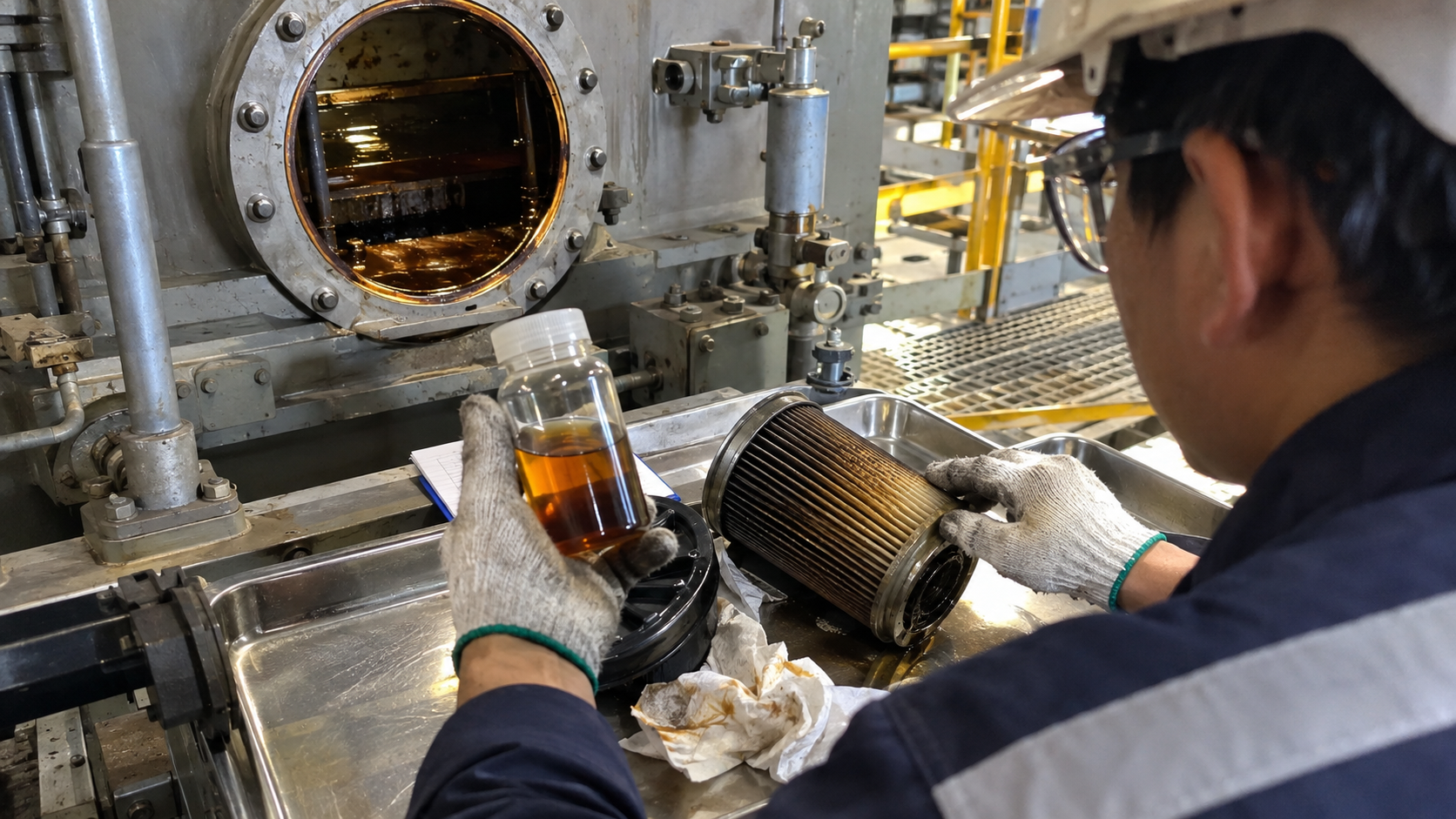
How Can SUTAIYO and Lubefix Help?SUTAIYO can assess oil condition and operating conditions to distinguish the tendency toward cold or hot varnish, while evaluating whether Mobil Lubricants are appropriate for the machine's thermal stress. Lubefix can provide oil treatment, filtration, or varnish removal when the problem involves degradation products in the oil system. |
|
Customer Benefits• A solution matched to the mechanism causing the problem• Less investment in treatment that cannot address the root cause• A greater likelihood of controlling the problem sustainably |
 02-816-2299
 063-203-2322
 @sutaiyo
 Facebook